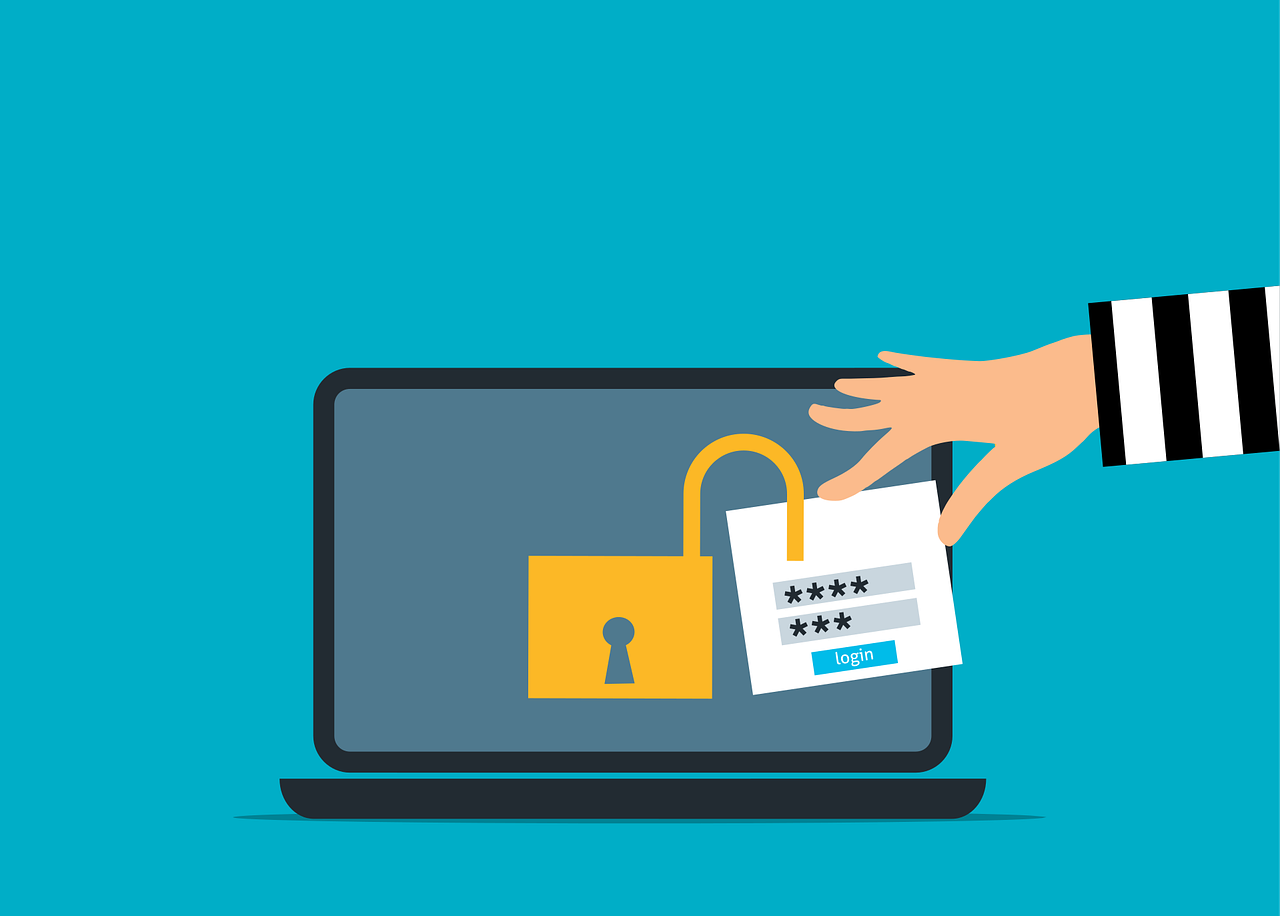

It’s crucial for you to grasp the fundamentals of device management to optimize your business operations. Understanding how to monitor, secure, and maintain your devices can significantly enhance productivity and reduce security risks. By implementing effective device management strategies, you can ensure that your technology assets are aligned with your organizational goals while safeguarding your data. This post will provide you with key insights and best practices that will equip you to manage your devices effectively.
Key Takeaways:
- Effective device management enhances security by ensuring devices are regularly updated and monitored for vulnerabilities.
- Establishing clear policies on device usage promotes compliance and minimizes risks associated with unauthorized access.
- Investing in training for employees on device management practices improves overall operational efficiency and productivity.
Overview of Device Management
Device management encompasses the processes and technologies used to configure, monitor, and maintain devices within your organization. It involves a systematic approach to ensure that all devices are functioning optimally, secure, and compliant with company policies. Implementing an effective device management strategy helps streamline operations and reduces the risk of technical issues that can disrupt business activities.
Definition and Purpose
Device management refers to the administrative tasks and tools that allow you to oversee and manage devices such as computers, smartphones, and tablets within your infrastructure. Its primary purpose is to enhance usability, security, and operational efficiency by allowing control over device configurations, updates, and access permissions.
Importance for Businesses
Understanding device management is crucial for businesses as it significantly impacts productivity and security. With a well-defined device management strategy, you can minimize downtime and ensure that all your devices are up to date with the latest software and security patches, crucial for protecting sensitive data from cyber threats.
The importance of device management extends beyond mere functionality; it directly influences your bottom line. According to a survey by IDC, businesses that employ effective device management solutions can reduce operational costs by up to 30%. Additionally, organizations that prioritize strong device management practices report fewer security breaches and disruptions, ultimately safeguarding their reputation and customer trust. With the increasing reliance on mobile and remote workforces, establishing a solid device management framework is not just beneficial-it’s imperative for sustainable growth and competitive advantage.
Types of Device Management
Understanding the various types of device management helps you tailor solutions for your organization’s specific needs. Essential approaches include:
- Mobile Device Management (MDM)
- Endpoint Management
- Cloud Device Management
- Unified Endpoint Management (UEM)
- Internet of Things (IoT) Management
Recognizing the distinctions among these types allows for better implementation strategies tailored to the devices your organization relies on.
| Type | Description |
| Mobile Device Management | Focuses on mobile devices ensuring security and compliance. |
| Endpoint Management | Oversees all endpoints within a network, providing security and updates. |
| Cloud Device Management | Manages devices connected to cloud services, enhancing flexibility. |
| Unified Endpoint Management | Integrates management for all endpoints including mobile and desktop. |
| IoT Management | Handles the growing number of IoT devices, focusing on connectivity. |
Mobile Device Management (MDM)
Mobile Device Management (MDM) solutions provide security and administrative control over mobile devices used in a business. You deploy MDM to enforce security policies, manage apps, and remotely wipe devices in case of loss or theft. Effective MDM solutions streamline the onboarding process for new devices, ensuring consistency and compliance across your organization.
Endpoint Management
Endpoint Management encompasses the administration of devices like laptops, desktops, and mobile devices accessed within a corporate network. You implement this strategy to ensure all endpoints are secure, monitored, and updated regularly. It provides visibility into device configurations, software installations, and potential vulnerabilities, helping safeguard your data from threats.
Endpoint Management not only secures your network but also optimizes performance by automating updates and patches. By leveraging tools that monitor endpoint status in real-time, you can quickly identify issues and remediate them, ensuring minimal downtime. This proactive management approach reduces operational risks, enhances productivity, and maintains compliance with industry regulations.
Key Benefits of Effective Device Management
Implementing effective device management offers various advantages that can significantly enhance your operations. From bolstering security to increasing productivity, these benefits are vital for maintaining a competitive edge in today’s technology-driven environment.
Enhanced Security
With robust device management, you can protect your network from potential threats. By regularly updating software and enforcing security policies, you safeguard sensitive data and reduce the risk of breaches, ensuring your organization remains compliant with industry regulations.
Improved Productivity
Streamlined device management directly correlates with higher productivity levels. By ensuring that employees have access to the right tools and resources, you minimize downtime and allow seamless collaboration. Devices can be configured to automate routine tasks, leading to a more efficient workflow and enabling your team to focus on value-added activities.
Challenges in Device Management
Device management can be fraught with challenges that hinder optimal performance and security across your organization. From integration breakdowns to user compliance issues, understanding these obstacles is important for a streamlined device management strategy. Failure to effectively address these challenges can lead to increased operational costs, security vulnerabilities, and an overall decrease in productivity.
Integration Issues
Integration issues often arise when trying to connect various devices and platforms seamlessly. Incompatibilities between different systems can cause delays and disruptions, creating inefficiencies. For instance, a survey revealed that 40% of IT professionals report difficulties in integrating new devices with legacy systems, which directly impacts workflow and productivity.
User Compliance
User compliance is a significant hurdle in device management, as employees may neglect necessary protocols or updates. This non-adherence can lead to security gaps and increase vulnerability to cyber threats. According to a study, non-compliant devices can account for nearly 70% of all security breaches.
As device management relies heavily on user engagement, fostering a culture of compliance is important. Providing comprehensive training and resources can enhance understanding of device usage policies and the importance of regular updates. By implementing an easy-to-use system and incentivizing adherence, you can significantly reduce non-compliance rates, ensuring a more secure and efficient technological environment within your organization.
Best Practices for Device Management
Implementing best practices in device management can significantly strengthen your organization’s security posture and enhance operational efficiency. By adopting systematic approaches, you can ensure that devices are properly managed, minimizing risks associated with vulnerabilities and user errors while also maximizing productivity and compliance.
Regular Updates and Patching
Keeping your devices regularly updated and patched is important for mitigating security vulnerabilities. Schedule automatic updates whenever possible and maintain an inventory of devices to ensure that all remain compliant with the latest software versions. This proactive approach can prevent unauthorized access and improve overall system performance.
Employee Training and Awareness
Your team plays a vital role in device management; therefore, investing in employee training and awareness is critical. Equip your staff with knowledge about security policies, common threats like phishing, and proper device usage. Regular workshops and a clear communication protocol can empower employees to make informed decisions and recognize potential risks, ultimately safeguarding your organization’s assets.
Employee training should be an ongoing process that evolves with emerging threats and technology. For instance, consider conducting quarterly refresher courses that incorporate real-world scenarios and current events. Involving your IT department in these trainings can help bridge the gap between technology and human behavior, fostering a culture of awareness and responsiveness to potential security risks. This investment in human capital not only heightens individual vigilance but also fortifies your overall device management strategy.
Future Trends in Device Management
As technology evolves, so does device management, with emerging trends reshaping how you oversee your devices. Staying informed about cloud integration, artificial intelligence, and automation will define your efficiency and security in managing an ever-growing array of devices.
Cloud-Based Solutions
Cloud-based solutions are becoming integral to device management. By utilizing cloud platforms, you can streamline operations, ensuring real-time access to data and enabling remote management. This approach enhances scalability and flexibility, allowing you to adapt swiftly to changing business needs.
Artificial Intelligence Integration
Integrating artificial intelligence into device management significantly enhances decision-making processes. AI algorithms analyze large datasets, offering predictive analytics to preemptively address potential issues. This results in reduced downtime and improved operational efficiency.
AI integration doesn’t just optimize management; it also allows for personalized user experiences. For instance, a retail chain utilizing AI-driven insights can tailor device performance based on customer behavior patterns. This proactive approach leads to better resource allocation, as automation manages repetitive tasks while you focus on strategic initiatives. The potential savings in time and cost, alongside improved security measures through AI monitoring, represent a formidable advantage in your device management strategy. Embracing these technologies will keep your organization competitive in a fast-evolving landscape.
To wrap up
From above, it’s clear that effective device management is necessary for optimizing your building’s operations and security. You should ensure that your strategies align with technological advancements and prioritize user experience. By acknowledging the importance of systematic control over devices, you enhance operational efficiency and reduce potential risks. For a deeper investigate the broader implications of device management, visit Device Management: The Infrastructure Problem Building …. This knowledge is vital for safeguarding your investment and ensuring seamless performance.
FAQ
Q: What is device management and why is it important for owners?
A: Device management refers to the administration of mobile devices, computers, and other electronic devices within an organization. It is vital for owners to ensure security, optimize performance, and streamline operations across all devices, thus enhancing productivity and protecting sensitive information.
Q: How can effective device management improve employee productivity?
A: Effective device management allows for the seamless integration of devices into workflows, minimizes downtime through timely updates and troubleshooting, and provides consistent access to necessary applications and data. This coherence enhances user experience and enables employees to focus more on their tasks rather than technical issues.
Q: What factors should owners consider when implementing device management solutions?
A: Owners should consider the scalability of the solution to accommodate future growth, compatibility with existing systems, user-friendliness for both administrators and employees, security features to protect data, and support for multiple device types. Analyzing these factors ensures a tailored approach that meets organizational needs.