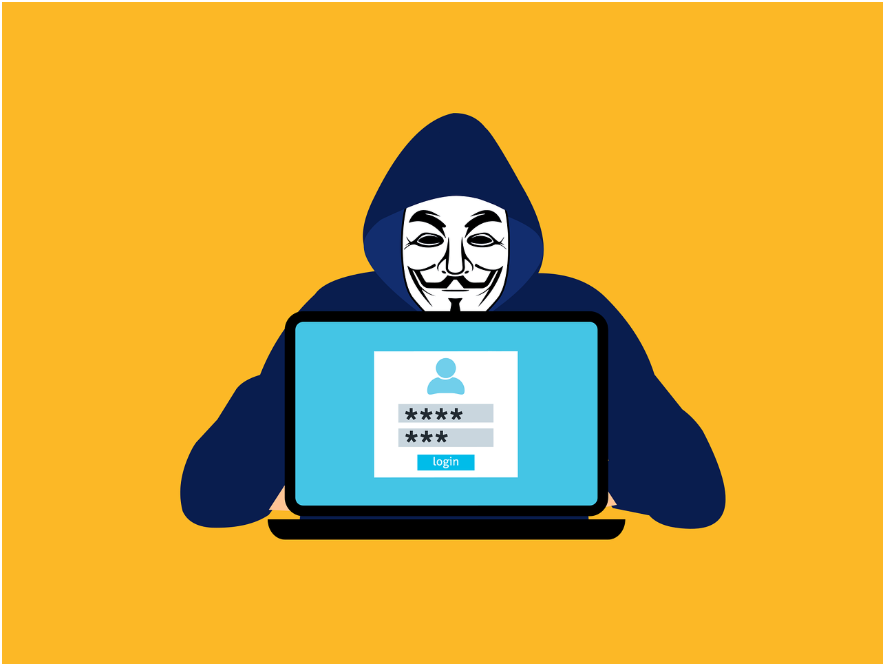

It’s vital to understand how hackers specifically target small businesses, as their tactics evolve constantly. Cybercriminals exploit vulnerabilities such as weak passwords, outdated software, and lack of employee training to gain unauthorized access to your sensitive data. By recognizing these threats and implementing effective security measures, you can protect your business from potential breaches. This post will guide you through common hacking strategies and practical steps to safeguard your assets against cyberattacks.
Key Takeaways:
- Small businesses are often seen as easy targets due to weaker security measures and limited resources for cyber defense.
- Common tactics include phishing attacks, ransomware, and exploiting unpatched software vulnerabilities.
- Implementing strong passwords, regular software updates, and employee cybersecurity training can significantly enhance protection against cyber threats.
Understanding the Hacker Mindset
To effectively defend your small business, grasping the hacker mindset is necessary. Hackers often exploit psychological vulnerabilities and the weaknesses in technology that you may overlook. They are typically driven by various motives, often viewing small businesses as soft targets that can yield high rewards for minimal effort.
Common Motivations Behind Cyber Attacks
Hackers’ motivations can vary significantly, from financial gain to reputational damage or even political motives. Many target small businesses for their perceived lack of sophisticated security, seeking to access sensitive customer data or financial information. Others might aim to disrupt operations and cause chaos, further emphasizing the need for your vigilance.
Types of Hackers Targeting Small Businesses
Understanding the types of hackers can better prepare you for potential threats. From opportunistic criminals to more organized cybercrime groups, each type has distinct methods and goals. They may use techniques such as phishing, ransomware, or social engineering to breach your defenses. You must remain informed about these varying approaches to effectively safeguard your business.
- Opportunistic hackers looking for easy targets.
- Organized crime groups seeking larger financial gains.
- Hacktivists aiming for political statements.
- Ransomware attackers wanting immediate profit from businesses.
- Insider threats stemming from disgruntled employees.
Knowing this spectrum of hacker motivations helps tailor your security measures more effectively.
| Type of Hacker | Description |
| Opportunistic | Seeks easy targets, often exploiting common vulnerabilities. |
| Organized Crime | Works in groups for larger financial thefts and data breaches. |
| Hacktivists | Pursues social or political agendas, often causing disruptions. |
| Ransomware | Target businesses for immediate monetary gain through encryption. |
| Insider Threats | Arises from employees and contractors misusing access. |
Additionally, knowing the various hacker backgrounds allows you to anticipate their strategies. By establishing robust cybersecurity protocols and employee training, the likelihood of falling victim increases. Some hacker types are highly skilled, while others rely on basic techniques to exploit vulnerable system weaknesses.
- Opportunistic criminals are on the lookout for unprotected networks.
- Script kiddies use pre-written scripts to conduct attacks.
- Corporate spies aim for industrial secrets and proprietary information.
- Black hat hackers focus solely on illegal activities for profit.
- White hat hackers help identify and resolve security flaws.
Knowing your threats can lead to more informed decisions around cybersecurity measures.
| Hacker Type | Primary Goal |
| Script Kiddies | Use tools to perform attacks without in-depth knowledge. |
| Corporate Spies | Gather competitive intelligence for exploitation. |
| Black Hat Hackers | Conduct illegal activities seeking financial reward. |
| White Hat Hackers | Enhance security by identifying vulnerabilities. |
| Nation State | Conduct espionage or destabilization operations. |
Common Cyber Threats Facing Small Businesses
Cyber threats are pervasive, with small businesses often more vulnerable due to limited resources. These threats encompass various tactics, each designed to exploit weaknesses in your systems. Understanding these risks is imperative for implementing effective defenses and safeguarding your company’s sensitive data.
Phishing Attacks
Phishing attacks involve deceptive emails or messages that trick you into revealing sensitive information, such as passwords or financial details. Often crafted to appear legitimate, they play on your trust and urgency. These scams can lead to unauthorized access to your accounts or financial losses, emphasizing the need for vigilance in your communications.
Ransomware and Malware
Ransomware and malware are malicious software programs designed to disrupt your business operations. Ransomware locks your files, demanding payment for their release, while malware can steal data or damage your systems. The impact can be devastating, costing businesses thousands to millions in recovery and lost revenue.
In fact, ransomware attacks have increased dramatically, with small businesses often targeted due to their lack of robust defenses. According to recent statistics, 43% of cyber attacks are aimed at small businesses, and the average ransom demand can exceed $200,000. The effects of such attacks extend beyond immediate losses, leading to reputational damage and long-term operational challenges. Protecting yourself involves not only effective backup solutions but also employee training to recognize potential threats and proper security measures to thwart these malicious programs.
Identifying Vulnerabilities in Your Business
Understanding where your business is vulnerable is key to shielding it from cyber threats. Regularly scanning your systems for outdated software, weak passwords, and unencrypted sensitive data can expose critical chinks in your defenses. Additionally, consider assessing third-party services and suppliers, as their vulnerabilities can also compromise your security. Conducting risk assessments focused on high-impact areas may help you prioritize resources effectively in your cybersecurity efforts.
Assessing Your Cybersecurity Measures
Start by reviewing your current cybersecurity measures, including firewalls, antivirus software, and data backup processes. Regularly updating these tools and ensuring they align with industry standards enhances your protection. Consider engaging cybersecurity professionals for an in-depth audit, identifying both technical and procedural weaknesses that need addressing. A proactive approach helps you stay ahead of potential attacks and fortifies your defenses against evolving threats.
Employee Training and Awareness
Investing in employee training and awareness programs is vital for enhancing your business’s security posture. Cyber threats often exploit human error; therefore, educating your team on recognizing phishing attempts, using strong passwords, and adhering to cybersecurity protocols can significantly mitigate risks. Establish regular training sessions and updates to keep everyone informed about the latest threats and best practices.
Engage employees with real-life scenarios that illustrate the impact of a cyber breach. For instance, in 2022, a mid-sized company lost over $1 million due to a phishing attack that deceived an employee into revealing sensitive data. Tailoring your training program to include interactive elements, such as simulated phishing exercises, can help reinforce lessons and keep your workforce alert. Tracking participation and assessing knowledge retention through regular quizzes can further ensure your team remains equipped to handle cyber threats effectively.
Implementing Effective Security Measures
To protect your small business from cyber threats, implementing effective security measures is crucial. A multi-layered approach, incorporating technology and employee training, enhances your defenses. Following best practices can significantly reduce the risk of breaches and improve your response to incidents.
Firewalls and Antivirus Software
Installing firewalls and antivirus software creates a solid foundation for your security strategy. Firewalls monitor incoming and outgoing traffic, blocking unauthorized access, while antivirus software detects and removes malware. Utilizing reputable solutions tailored to your business needs can provide a strong barrier against cyber threats.
Regular Software Updates and Patch Management
Keeping software up to date is vital in defending against emerging threats. Regular updates and vigilant patch management fix vulnerabilities that hackers exploit, reducing your risk profile significantly. This practice is an crucial part of your cybersecurity strategy.
Establishing a routine for regular software updates is not just a good practice; it’s a necessity. Many cyberattacks exploit known vulnerabilities, and timely patches can close these security gaps before hackers can take advantage. You should create a schedule for monitoring software releases and updates from vendors, ensuring your applications, operating systems, and any third-party tools are consistently up to date. Consider utilizing automated update features wherever possible to minimize oversight and maintain robust security consistently.
Developing an Incident Response Plan
Your incident response plan should be a structured approach outlining your actions in the event of a cyber incident. Define roles and responsibilities within your team, establish protocols for detecting, reporting, and responding to incidents, and ensure regular updates to the plan as your business and threats evolve. Conduct drills to ensure everyone knows their part and can respond swiftly to minimize damage.
Steps to Take After a Breach
After a breach, immediately isolate affected systems to contain the situation. Begin assessing the extent of the breach, documenting what data was compromised, and notifying affected parties as required by law. Conduct a thorough investigation to understand how the breach occurred and take necessary steps to mitigate further risks.
Communication and Recovery Strategies
Engaging in transparent communication about a breach is important for maintaining trust with your clients and stakeholders. Inform them swiftly of what happened, the potential impact, and your plans for resolution. Recovery strategies should focus on restoring systems, securing data, and reviewing policies to prevent future incidents, while keeping your customers updated throughout the process.
To effectively manage communication and recovery, develop a crisis communication plan that identifies key messages and spokespeople. This structure helps to convey a timely response while reducing misinformation. Additionally, offer resources such as credit monitoring to affected individuals. Your recovery process should also involve a comprehensive review of security measures to ensure vulnerabilities are addressed, reinforcing your firm’s resilience against future threats.
Resources for Small Businesses
Government and Non-Profit Support
Your first line of defense can come from various government and non-profit organizations that offer free resources. The U.S. Small Business Administration (SBA) provides comprehensive guidance on cybersecurity strategies tailored for small businesses. Additionally, the Cybersecurity and Infrastructure Security Agency (CISA) offers tools, training, and best practices aimed at bolstering your security posture without requiring significant financial investment.
Cybersecurity Tools and Services
Investing in cybersecurity tools and services can drastically reduce your vulnerability. Options such as antivirus software, firewalls, and intrusion detection systems not only protect against threats but also offer real-time monitoring of your systems. Many companies, including Norton, McAfee, and Kaspersky, provide tailored solutions specifically for small businesses to ensure robust protection and compliance with regulations. Furthermore, utilizing platforms like Cloudflare can enhance your defenses against Distributed Denial of Service (DDoS) attacks, alongside routine security audits to harden your infrastructure.
Conclusion
Summing up, small businesses are increasingly attractive targets for hackers due to limited cybersecurity measures. To safeguard your business, it’s vital to implement robust security practices, train your employees on recognizing threats, and regularly update your systems. You can enhance your defenses by exploring Cybersecurity strategies for small businesses – Mastercard, ensuring you’re better prepared against cyberattacks. Being proactive today can save your business from significant losses tomorrow.
FAQ
Q: How do hackers typically target small businesses?
A: Hackers often target small businesses through phishing emails, weak passwords, and insecure networks. They may use social engineering tactics to trick employees into revealing sensitive information or gaining access to systems. Additionally, small businesses may lack advanced security measures, making them easier targets compared to larger organizations.
Q: What can small businesses do to protect themselves from hacking attempts?
A: Small businesses should implement strong password policies, conduct regular employee training on cybersecurity awareness, and invest in reliable antivirus software. Establishing a robust firewall, keeping software up-to-date, and using multi-factor authentication can significantly reduce the risk of breaches.
Q: What should a small business do if it experiences a cyber attack?
A: In the event of a cyber attack, small businesses should immediately disconnect affected systems from the network to prevent further damage. They should then assess the breach, notify affected parties, and report the incident to law enforcement. Consulting with cybersecurity professionals can help in recovering data and strengthening defenses to prevent future incidents.